Bear River Migratory Bird Refuge
Where the Bear River Meets the Great Salt Lake
Just west of Brigham City, nearly 80,000 acres of marsh, open water and mudflats spread across the Bear River delta. More than 250 bird species pass through each year, making the refuge one of the best places in the West to see migrating waterbirds, and it’s free to visit.
Managed by the U.S. Fish & Wildlife Service: View hours and visitor info.
Quick Facts
Size
80,000 acres
Bird Species
250+
Established
1928
Auto Tour
12-mile loop
Admission
Free
A Crossroads for Migrating Birds
The refuge sits where the Bear River flows into the northeast arm of the Great Salt Lake, on the edge of both the Pacific and Central Flyways. That location makes it a key rest and feeding stop for shorebirds, ducks, geese and swans. It’s also recognized as a globally important shorebird site.
The refuge was created in 1928 after major marsh loss and bird die-offs, and it’s now one of northern Utah’s top wildlife destinations. Start at the Wildlife Education Center off I-15, then head west to the auto tour route for close-up views of the marsh.
Things to do at the Bird Refuge
Drive the Auto Tour Route
Year-round · Sunrise to sunset · 12-mile one-way loop
Visit the Wildlife Education Center
Tuesday–Saturday · Free · Exhibits & wetland diorama
The center is just a quarter mile off I-15 and has interactive exhibits on the birds and wetlands of the Great Salt Lake. Grab a map, ask staff what's being spotted, and use the restrooms before heading out.
Walk the Wetland Trails
Year-round · Short walks · Easy
Right outside the education center, a half-mile paved, accessible trail and the longer Marsh Meander nature trail loop through the nearby wetland. They're a good option if you only have an hour.
Stop at the River Delta Site
Start of the auto tour · Boardwalk · Fishing pier
This stop near the start of the auto tour has a boardwalk, interpretive panels, restrooms and an accessible fishing pier. Stretch your legs and scan the water before starting the loop.
Bike the Refuge
Flat terrain · Auto tour open to bikes
The auto tour route is open to cyclists as well as cars. The flat, quiet roads make for an easy ride with big views of the marsh and the mountains to the east.
Join a Program or Earn a Badge
Free · Family-friendly · Junior Ranger
Free, hands-on programs cover everything from tundra swans to bald eagles, and kids can earn a Junior Ranger badge. Check the refuge website or ask at the center for upcoming dates.
By Season
Spring and fall migrations are the peak, but every season brings something different. Early morning and early evening are best for wildlife.
Spring
Birds return in bright breeding colors. Watch for courtship displays from avocets, stilts, grebes and egrets.
Summer
May through July is nesting season, with chicks on the water. By late summer, huge numbers of shorebirds stop to refuel.
Fall
Up to 500,000 ducks and geese gather on the marsh. Tundra swans start arriving in mid-October.
Winter
November through March brings raptors: hawks, falcons, owls and bald eagles hunting over the frozen marsh.
Make a Day of It
Golden Spike National Historical Park
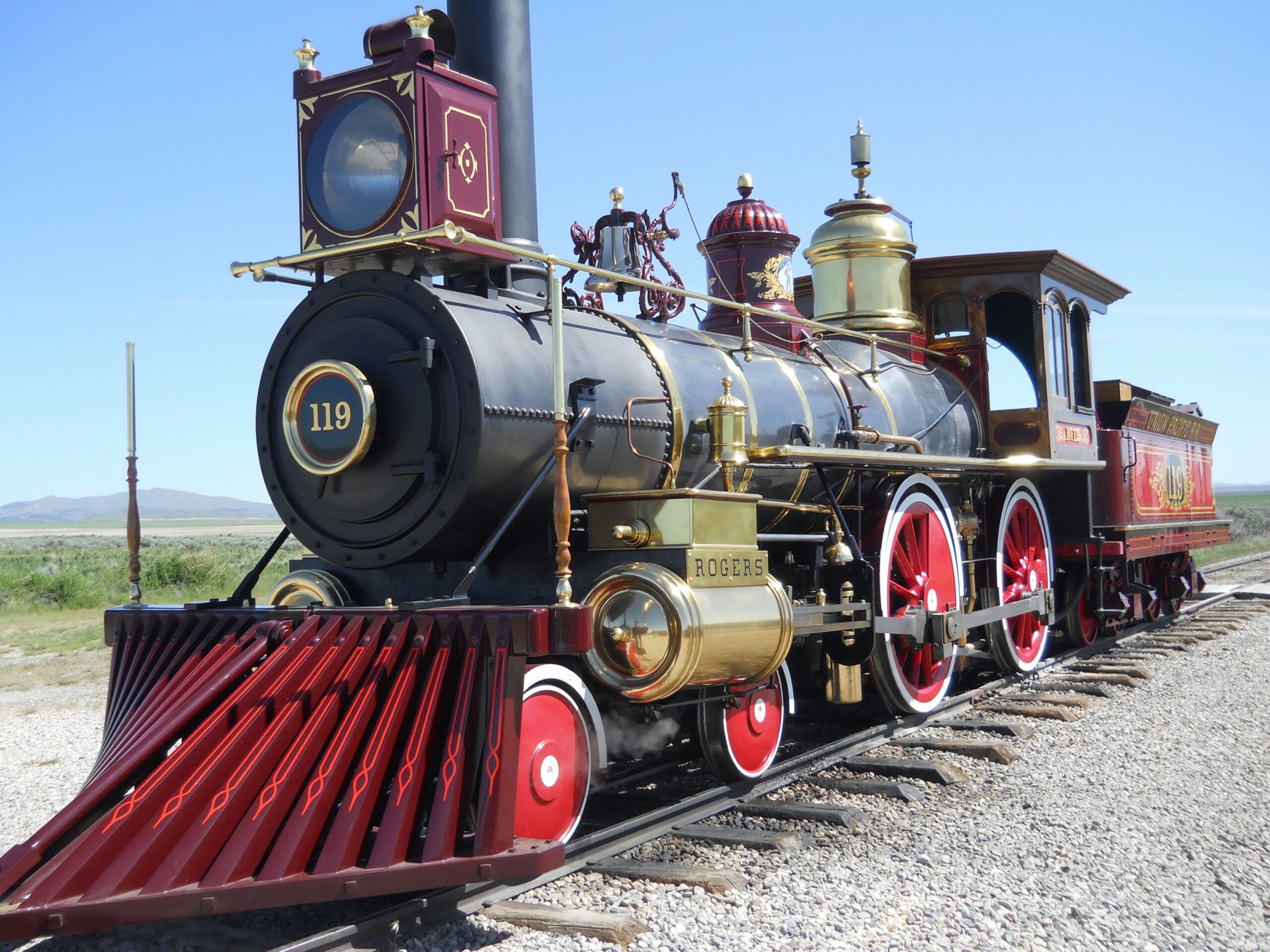
Pair wildlife with history at the site where the first transcontinental railroad was completed in 1869. Watch replica steam locomotives meet on the original track, walk the Big Fill Loop and drive the old railroad grade.
Crystal Hot Springs
Warm up after a morning on the marsh. Just 12 miles north of Brigham City in Honeyville, Crystal Hot Springs sits where a hot spring and a cold spring meet, with some of the most mineral-rich water in the country. Soak in the hot tubs, swim laps or ride the water slides. It's open year-round, and winter visits are especially popular. Check hours and day-use fees before you go.
Spiral Jetty
Continue on to Robert Smithson's famous 1970 earthwork on the shore of the Great Salt Lake. The road is about 16 miles of gravel past the Golden Spike visitor center, with no services or cell signal, so fill your tank and bring water.
Before You Go
Bring Binoculars
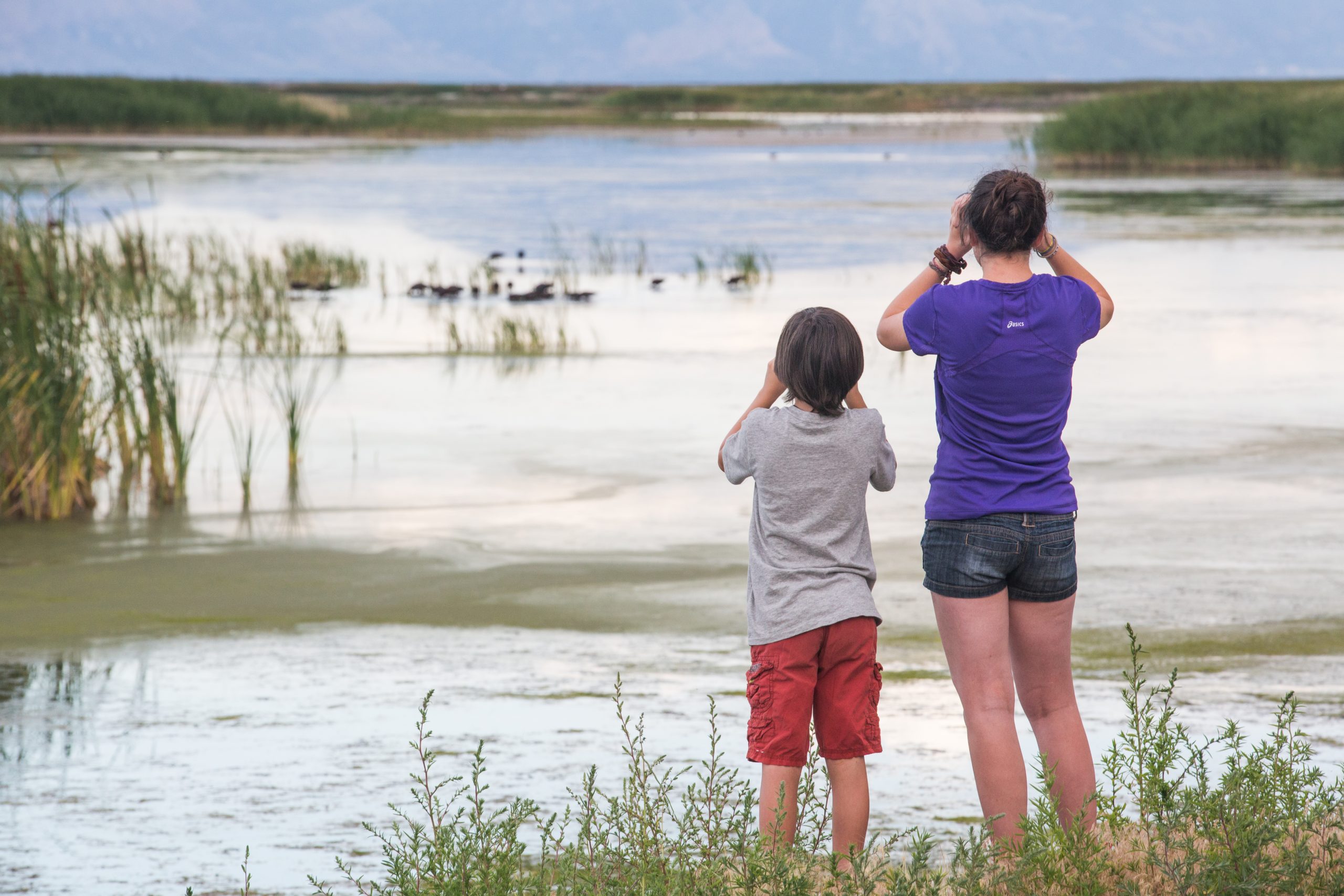
Many birds are out on the water, so binoculars or a spotting scope make a big difference.
Watch the Clock
The auto tour gate closes at dusk. The round trip from I-15 is about 36 miles, so plan your time.
Pack Supplies
There's no food or fuel on the refuge. Bring water and snacks, and fill up in Brigham City.
Check Conditions
Weather and road work can close sections. Check the refuge website or call (435) 723-5887 before you go.
Frequently Asked Questions
Plan Your Visit
Bring binoculars, head west on Forest Street and give yourself a few unhurried hours on the marsh. Brigham City is minutes away when you're ready to eat.